
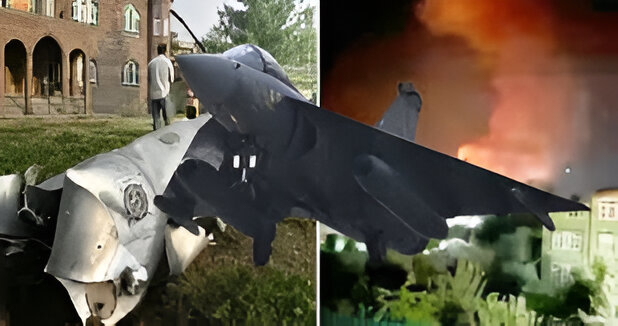
It’s been a heartbreaking week for India. Two Indian Air Force (IAF) pilots tragically lost their lives on Tuesday when their Jaguar fighter jet crashed in a remote part of Rajasthan.
The aircraft had just taken off from the Suratgarh airbase and, within minutes, went down in a field near Bhanuda village in the Churu district. The crash happened around 1:25 PM, according to early reports.
“The aircraft crashed in an agricultural field,” confirmed Kamlesh, the local station house officer.
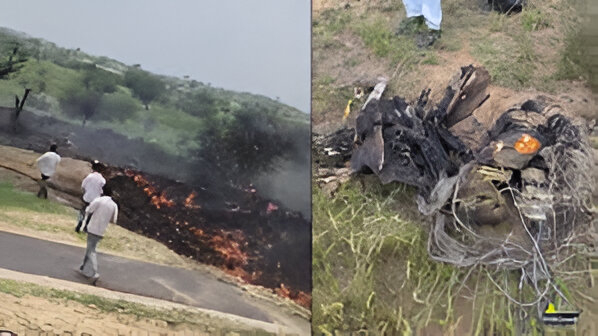
Thankfully, no civilians were hurt, and there was no damage to homes or nearby structures. But the loss of two trained IAF pilots has shaken the armed forces and the public alike. In a short statement, the IAF said it deeply regrets the loss and offered condolences to the grieving families. An official inquiry is already underway.
Third Jaguar Crash This Year Raises Questions
What’s even more troubling is that this isn’t an isolated event. This marks the third Jaguar fighter jet crash in India this year. The earlier two happened:
- On March 7 in Panchkula, Haryana
- On April 2 near Jamnagar, Gujarat
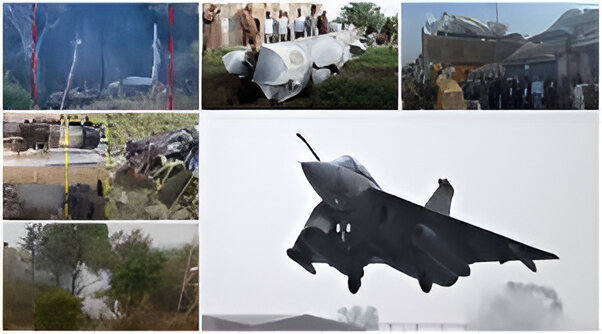
The Jaguar isn’t new. It’s a twin-engine bomber the Indian Air Force has been using since the late 1970s. Though it’s been upgraded over time, three crashes in just a few months have many wondering if it’s time for a deeper review of the fleet’s safety.
Meanwhile: What’s Going On with the Air India Crash?
In other aviation news, attention is now shifting to the June 12 Air India Boeing 787 Dreamliner crash, which killed 241 of 242 passengers shortly after taking off from Ahmedabad. One of the deadliest crashes in recent memory, it’s still under investigation — but we might get a preliminary report by Friday.
Sources familiar with the probe say investigators are focusing on something pretty specific: the fuel control switches in the cockpit. That’s the part that controls the power feeding into the engines. According to flight data and simulations run by Boeing, something may have happened that caused the engines to lose thrust shortly after takeoff.
Boeing hasn’t issued any warnings about this issue yet, and they’re not commenting publicly.
Aviation safety expert John Cox told reporters:
“You can’t bump those switches and turn them off by accident. If one is shut off, the engine power goes out almost immediately.”
Investigators haven’t ruled out human error, mechanical malfunction, or even intentional action — they’re still looking at everything. But so far, no major red flags have come up that would suggest all 787s need to be grounded or modified.
Waiting for Answers
The full report could give us clearer answers, but officials warn it may not include everything just yet. These early documents often focus on initial findings and take months to finalize completely.
Both of these tragedies — the IAF Jaguar crash and the Air India disaster — are grim reminders of how risky aviation can be, whether in the skies defending the nation or flying thousands of feet above ground in a commercial jet.
Our thoughts are with all those affected, especially the families of the IAF pilots and the passengers lost in June’s crash. May they rest in peace.